

A burner stuck on full heat is a fire risk, not an annoyance. Shut off the breaker first, then learn why elements stick on and why the fix belongs to a technician.

17
Aug
Aug
A few small habits during cleaning and cooking do more to age a glass cooktop than years of use. Here are the mistakes to avoid and the safe way to keep the surface like new.

12
Aug
Aug
A warm fridge with a cold freezer is almost always an airflow or defrost problem, not a dead compressor. Here is the cause-by-cause diagnosis and the safe checks to try first.

27
Jul
Jul
A refrigerator running constantly in summer is not always broken. Learn what drives a fridge to run nonstop in the heat, how to spot the cause, and when to call a technician.
Appliance Tips, Installation Guides
How to Prepare Your Kitchener Home for a New Dishwasher Installation

24
Jul
Jul
Good dishwasher installation prep is done before the new unit leaves the box. Measure the opening, test your water, drain, and power hookups, and remove the old dishwasher cleanly.

26
Jun
Jun
No coffee, weak coffee, or a fill error from your Jura? Work through the same checks a technician runs, and learn the warning signs that mean it is time to call a pro.
Troubleshooting Guides
Is Your Stove Burner Not Lighting? A Step-By-Step Diagnostic for Kitchener Homes

15
Jun
Jun
A safe, five-step diagnostic for a stove burner that will not light, covering gas and electric ranges, the gas-safety rules that matter, and when to call a licensed technician.

07
Jun
Jun
Most Brada appliance problems we see in Kitchener-Waterloo come down to a worn gasket, dusty coils, a clogged drain filter, or an aging belt. Here is what to check yourself, what each repair really costs, and when to replace the unit instead.
26
May
May
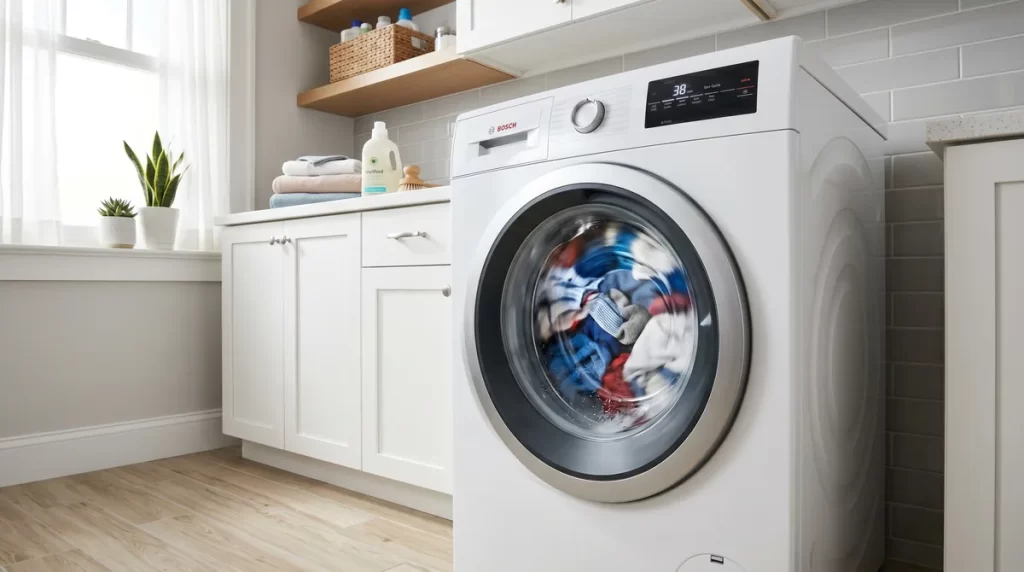
Last updated: 11 August 2026 by the technicians at Max Appliance Repair Kitchener. A washing machine shaking violently during the spin cycle is impossible to ignore, it shakes the floor, makes a racket, and can walk across the laundry room if nothing stops it. The causes range from a simple load imbalance you can […]
15
May
May
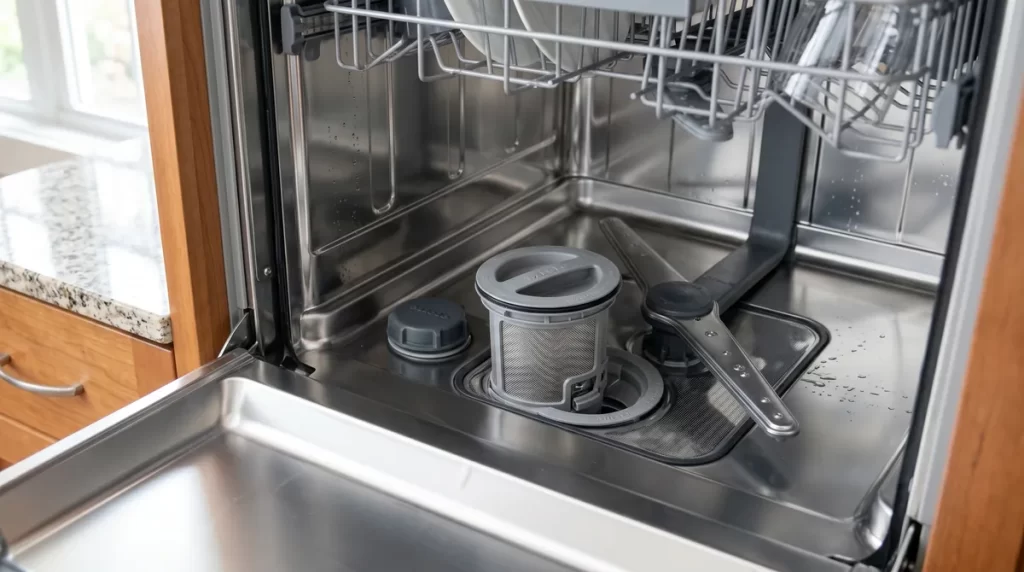
Last updated: 11 August 2026 by the technicians at Max Appliance Repair Kitchener. Standing water at the bottom of a Miele dishwasher after a cycle is one of the most common service complaints — and one of the most solvable. Miele dishwashers are built to exceptionally tight tolerances, which means they are more sensitive […]